SMMG 3810 – Smart Manufacturing Lab-I (fall semester)
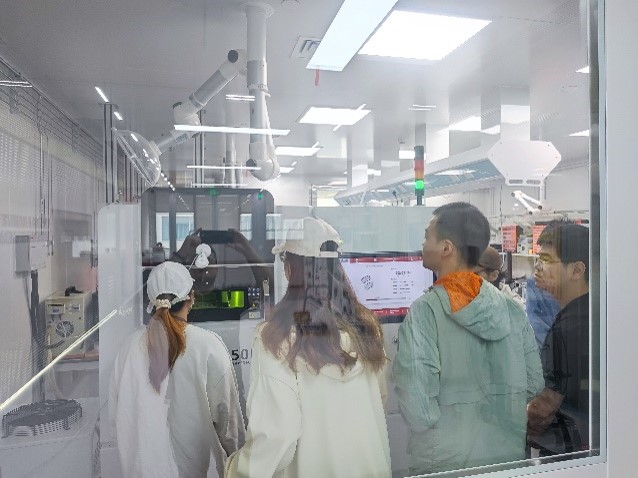
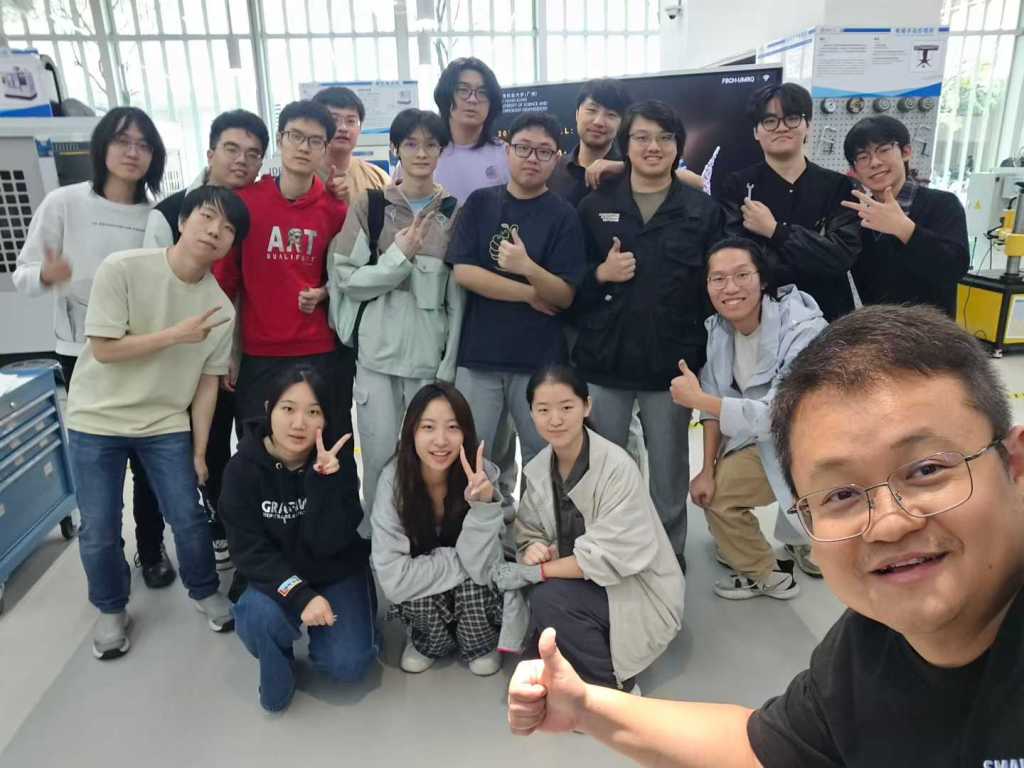
This is an introductory laboratory course to provide students with training in experimental techniques and laboratory procedures, data acquisition, analysis, and presentation. This course series aims at offering students an opportunity to face real problems in real manufacturing environments through the application of smart manufacturing methods to support the engineering and management of high-value-added products, the continuous innovation of products and processes, the sustainability of products and production systems along their lifecycle.
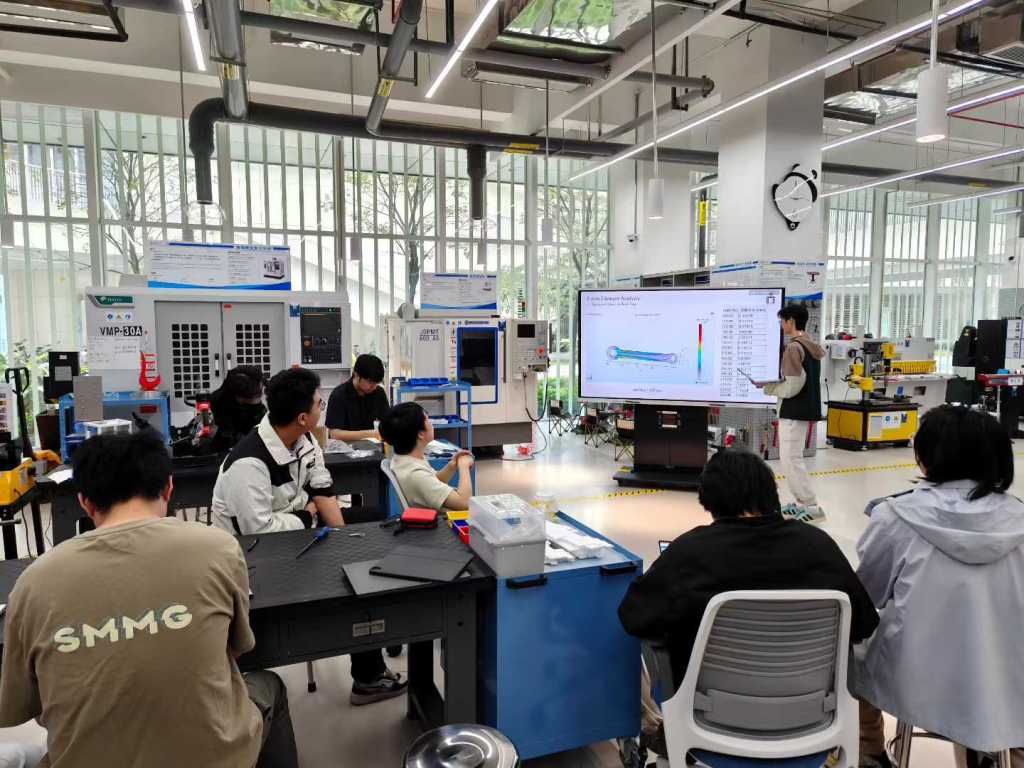
- Design and simulate a lightweight component with specific mechanical properties/functionalities using CAD/CAE software, e.g. Solidworks and COMSOL Multiphysics.
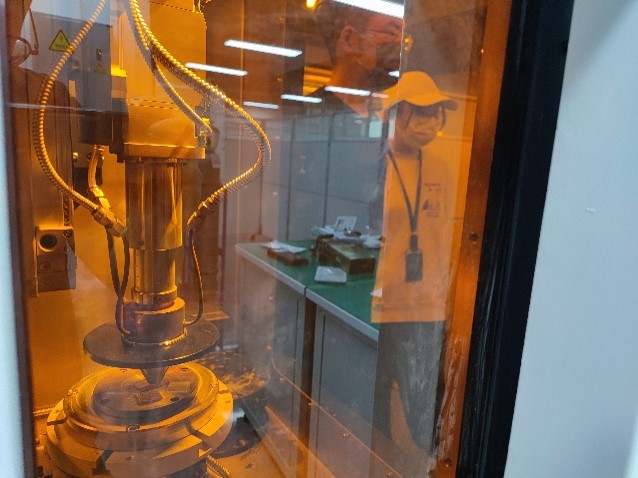
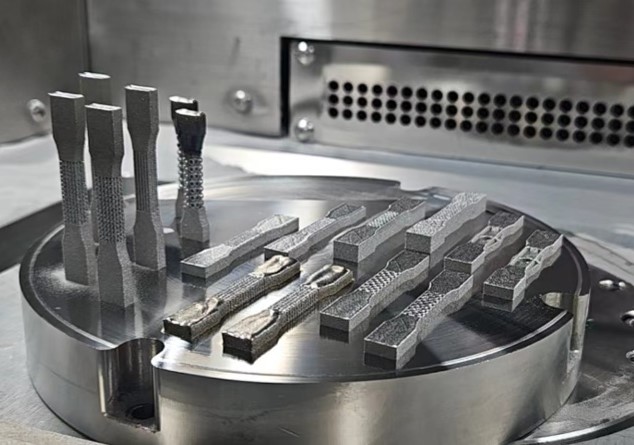
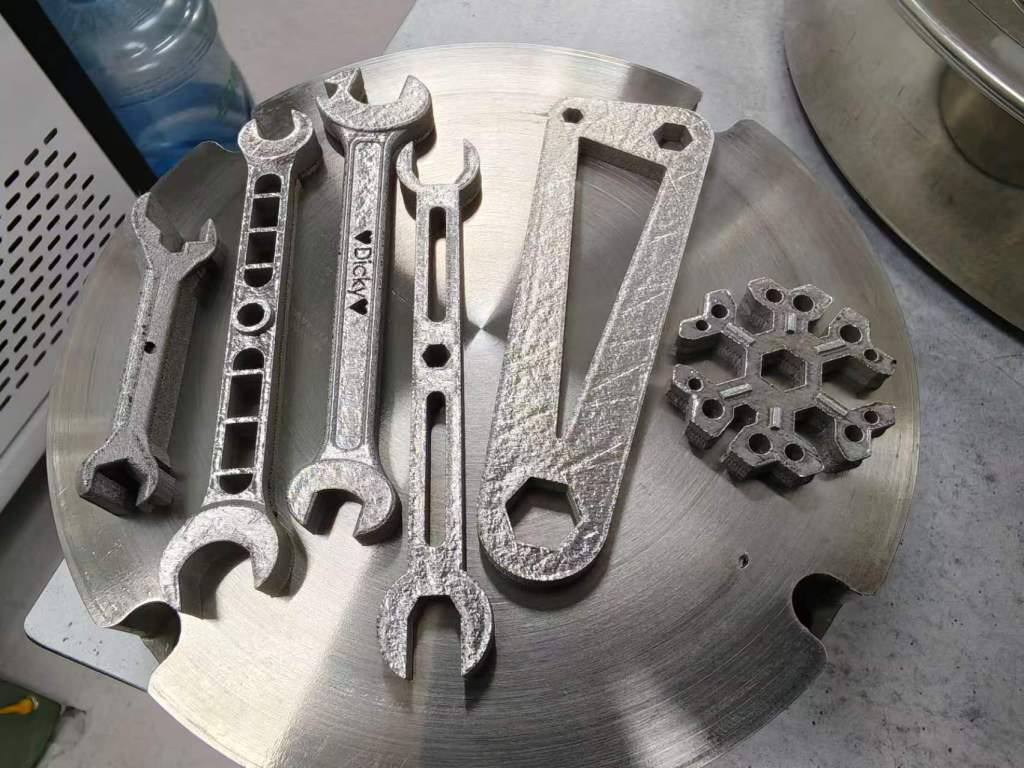
- Fabricate a component using both additive and subtractive processes, e.g. Laser powder bed fusion and carbon fiber printing.
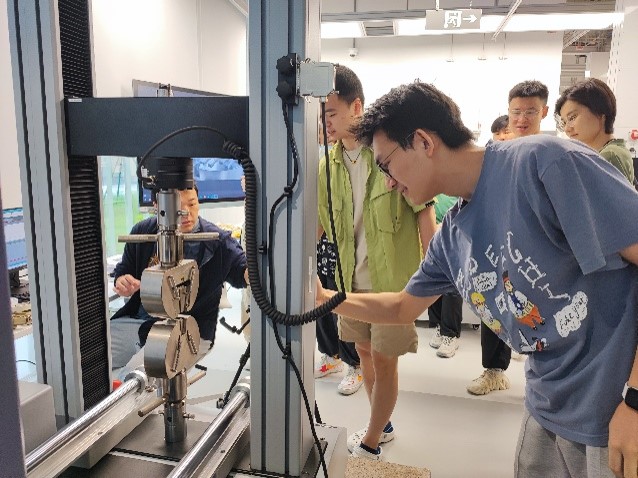
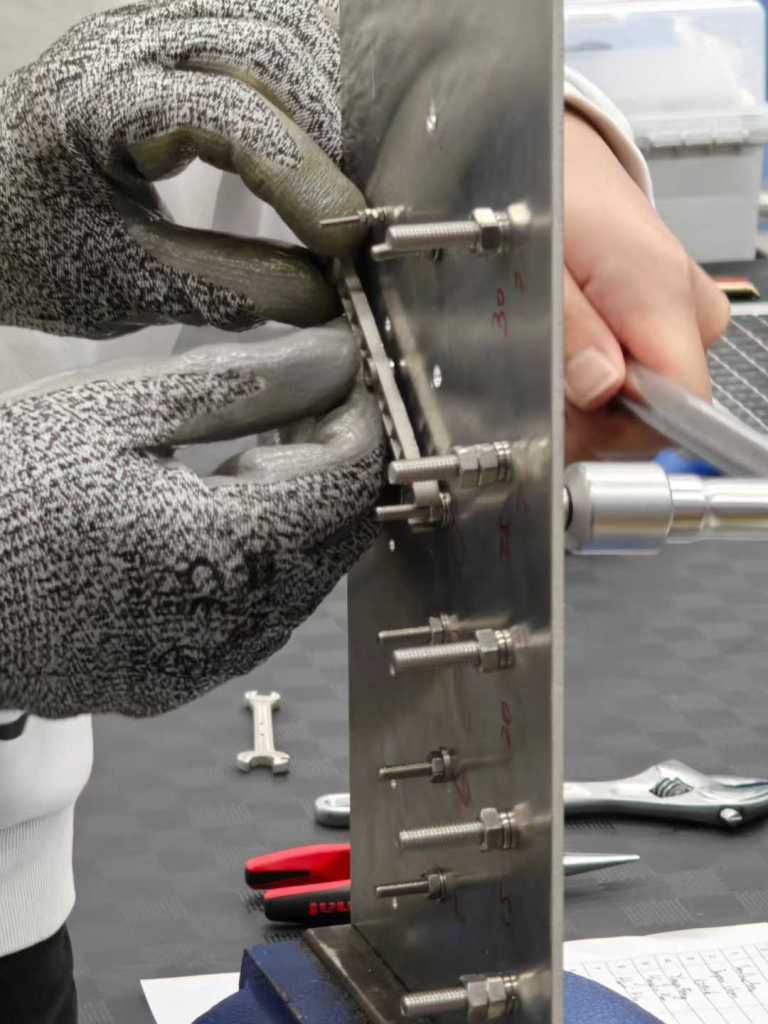
- Test mechanical performance and analyze results against design predictions.
- Propose designed iterations to optimize performance and manufacturability.
SMMG 5130 – Functional Microdevice Manufacturing (fall semester)
Functional microdevices are tiny devices that are used to create functional and interactive components on a microscopic level. They are used in a variety of applications, such as microelectronics, flexible or wearable devices, drug delivery, and more. The objectives of this course are to enable the students to:
- Acquire the latest knowledge about functional devices fabrication techniques, including micro/nanoscale mechanics, flexible electronics fabrication and applications, transfer printing techniques and mechanisms.
- Gain practical knowledge of these topics and develop the ability to apply this knowledge in real-world multifunctional manufacturing applications.
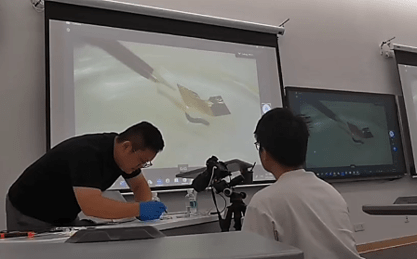
SMMG 5900 – Advanced Metal Additive Manufacturing (spring semester)
This course provides students with the latest knowledge and skills for metal additive manufacturing (AM) techniques and implications, as well as the fundamental understanding of process-structure-property relationships in material processing using AM. The objectives of this course are to enable the students to:
- Acquire a comprehensive knowledge of the major processes and techniques used in AM of metallic materials.
- Identify the physics and critical processing parameters in current metal AM techniques.
- Obtain a systematic understanding of process-structure-property relationships across different length scales in metal AM processes.
- Understand the latest industrial and academic challenges and opportunities in metal AM.
- Acquire the skills and confidence to create innovative solutions using AM across a vast opportunity space.